


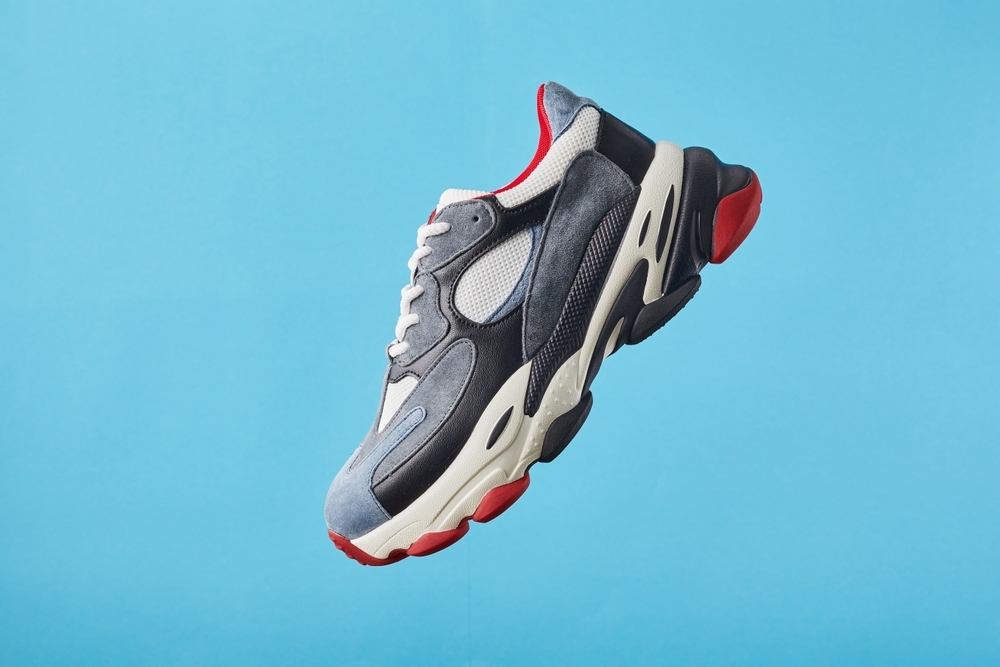
When you think about gathering evidence after a slip and fall accident, your mind probably jumps to things like pictures of the scene or witness statements. But believe it or not, one often-overlooked detail could play a big role in your case: your shoes. So, do photos of your shoes matter in a slip and fall lawsuit? Yes, they absolutely can—and in more ways than you might expect.
In this guide, we’ll walk you through why your footwear matters, how photos can help support your claim, and what steps you should take to protect your legal rights after a fall.
Why Your Shoes Matter in a Slip and Fall Case
When someone suffers a serious fall, especially in a public place or on someone else’s property, the key legal question becomes: who was at fault? Property owners and businesses are responsible for maintaining safe conditions, but insurance companies often push back, arguing that the victim’s own actions contributed to the accident.
That’s where your shoes come into play.
The type of footwear you were wearing, the condition of the soles, and whether they were appropriate for the setting can become central issues in your case. Insurance adjusters and defense attorneys may try to claim that your shoes were slippery, worn out, or not suited to the surface where the fall occurred.
Photographs of your shoes can help shut down those arguments before they gain traction.
Similar Post: New Jersey Slip and Fall Accidents: What Constitutes a Catastrophic Injury?
How Photos of Your Shoes Help Support Your Claim
Taking photos of your shoes after a slip and fall can serve several purposes:
1. They Preserve Evidence of Tread and Wear
The soles of your shoes can show whether they had good traction or were excessively worn. If your shoes had proper tread and were in decent condition, it weakens any argument that they were the cause of your fall.
2. They Document Any Substances or Damage
After a fall, your shoes might have visible signs of the hazard that caused the accident—like a slick spot, wet paint, or food residue. This can help prove that the surface was dangerous at the time of your fall.
3. They Establish Timely Evidence
The sooner you photograph your shoes after the accident, the stronger your evidence. Insurance companies are less likely to question the authenticity or relevance of photos taken immediately following the incident.
4. They Counter Accusations of Inappropriate Footwear
If the property owner claims you were wearing high heels or sandals in a setting that required non-slip shoes, your photos can prove otherwise.
What Kind of Photos Should You Take?
To make sure your shoe photos actually help your case, take them with care. Here’s what to capture:
- Top view of each shoe to show the type and style
- Side view to show wear and any damage
- Close-up of the soles, especially if there’s tread or visible substance from the fall
- Wider shot showing the pair together, preferably next to an object for scale (like a ruler or coin)
Make sure the lighting is clear and that your photos are time-stamped or accompanied by notes documenting when and where they were taken.
Can Photos of Shoes Really Affect the Outcome?
Absolutely. In many slip and fall lawsuits, insurance companies will try to argue that you were partially—or even entirely—at fault. This is known as comparative negligence. In New Jersey, if you’re found to be more than 50% at fault, you can’t recover damages at all. Even if your share of the blame is less than 50%, your compensation can still be reduced.
Photos of your shoes can help push back against these arguments and preserve the full value of your case.
Other Important Evidence in a Slip and Fall Case
While shoes are surprisingly important, they’re just one piece of the puzzle. Other types of evidence can also help strengthen your claim, including:
- Photos of the accident scene (wet floors, broken tiles, poor lighting, etc.)
- Witness statements from anyone who saw the fall
- Security camera footage from nearby businesses
- Medical records linking your injuries to the incident
- Incident reports filed with the property owner or business
The more documentation you have, the stronger your case will be when it’s time to negotiate with insurance companies or take your claim to court.
Similar Post: Navigating Slip and Fall Claims in New Jersey: What Injured Victims Need to Know for a Successful Recovery
What If You Didn’t Take Photos of Your Shoes?
If you didn’t snap photos right away, don’t worry—it’s not too late. If you still have the shoes, don’t wear them again and avoid cleaning them. Store them in a safe place and take photos as soon as possible. Even if some time has passed, this evidence can still be useful, especially if the shoes remain in the same condition they were in when you fell.
If you've already cleaned or discarded them, your attorney may be able to work around that by gathering additional evidence or eyewitness testimony.
What If the Insurance Company Asks About Your Shoes?
Be prepared. Insurance adjusters often ask about footwear early in the claims process. They might ask:
- “What kind of shoes were you wearing?”
- “Were they high heels or boots?”
- “Did they have rubber soles?”
- “Were they appropriate for the weather?”
Before you answer anything, speak with an attorney. Adjusters may seem casual or friendly, but their goal is to find ways to reduce or deny your claim. You’re under no obligation to offer a recorded statement or provide unnecessary details.
Should You Still Contact a Lawyer If You Have Photos?
Yes—always. Even with solid evidence, slip and fall claims can be difficult. Businesses and their insurance carriers often fight hard to avoid paying out. Having an attorney gives you someone in your corner who knows how to deal with delay tactics, lowball offers, and legal loopholes.
Your personal injury attorney can:
- Help you gather and preserve all critical evidence
- Handle communication with the insurance company
- Work with experts to assess your injuries and liability
- Negotiate for the compensation you need
- Take your case to trial, if needed
At Camili & Capo, we understand the tactics insurance companies use. We’re here to help you build a strong case—starting with the small details, like your shoes.
Final Thoughts: Don't Overlook the Small Stuff
So, do photos of your shoes matter in a slip and fall lawsuit? Yes—more than you might think. These images can help protect your credibility, prove your case, and fight off attempts to blame you for your own injuries.
If you’ve been injured in a slip and fall, gather as much evidence as you can—and don’t leave your shoes out of the picture.
Let the Personal Injury Lawyers at Camili & Capo Help You After a Slip and Fall Accident in New Jersey
At Camili & Capo, we know how stressful and frustrating it is to deal with a serious fall—especially when insurance companies try to turn the blame on you. We’re here to guide you through every step of the process and fight for the compensation you need to recover.
Call us today at (973) 834-8457 or fill out our online contact form to schedule your free consultation. We represent clients in Hackensack, Denville, Dover, and throughout New Jersey. Let us help you protect your rights, your health, and your future—starting from the ground up.
Disclaimer: This blog is intended for informational purposes only and does not establish an attorney-client relationship. It should not be considered as legal advice. For personalized legal assistance, please consult our team directly.