

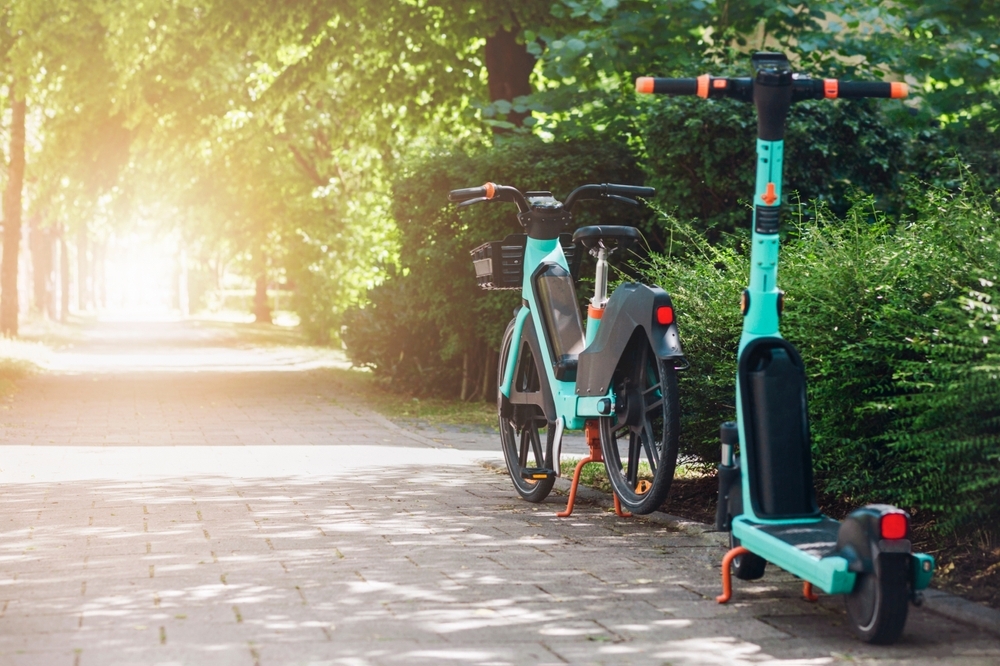
E-bike crash injuries have become a growing concern because today’s e-bikes move faster and weigh more than traditional bicycles. As a result, when a rider loses control or gets hit by a car, the impact can look less like a typical bike fall and more like a high-speed collision. That shift helps explain why traumatic brain injuries are becoming more common in e-bike crashes, especially when riders skip helmets or ride devices capable of near-motorcycle speeds.
In a recent edition of The Morning, a newsletter published by the New York Times, the author described an all-too-familiar moment for many cyclists: an e-bike flying past at close to 30 mph on a commuting route. It raised the obvious question: What happens if someone crashes at that speed? The New York Times’ reporting emphasized the same core issue safety advocates keep repeating: The technology has advanced quickly, while regulation and public education have lagged behind.
For New Jersey riders and drivers, this matters now. E-bikes are everywhere, including on neighborhood streets, near boardwalks, around parks, and in busy downtown corridors. That means more opportunities for crashes. When a crash happens, the injuries can be severe.
Why E-Bikes Can Cause More Severe Injuries Than Traditional Bikes
E-bikes change the physics of a crash. Many models weigh 50 pounds or more, and some devices marketed as e-bikes accelerate and handle more like small motorbikes. The faster a rider travels, the less time they have to react, and the harder the body hits the ground or a vehicle. That’s why emergency physicians and surgeons have been raising concerns about the severity of e-bike injuries across age groups.
Several factors make certain e-bike crashes especially dangerous:
- Speed: Legal top assisted speeds can reach 20 mph or 28 mph depending on class, and some devices can be modified to go faster.
- Weight And Inertia: Heavier bikes create more force in a collision or fall.
- Rider Inexperience: Many people hop on an e-bike without building the handling instincts they would develop on a traditional bike.
- Mixed Environments: Riders may use roads, shoulders, bike lanes, and sidewalk-adjacent paths in a single trip, which increases conflict points with cars and pedestrians.
When these factors combine, head injuries and traumatic brain injuries become more likely.
What The Reporting Says About Rising E-Bike Injuries And Head Trauma
The New York Times reporting highlighted a broader trend: e-bikes have proliferated quickly, and injuries have followed. The newsletter citing The Times Magazine story described injuries rising sharply, while policymakers and safety systems struggle to catch up to the new reality of faster low-speed devices.
Other research has similarly documented significant increases in e-bike injury rates in recent years. For example, one study reported large growth in e-bike injuries over a three-year period, reinforcing the idea that adoption is moving faster than safety education and infrastructure.
The takeaway is not that e-bikes are inherently bad. They can reduce car trips and make transportation more accessible. However, higher speeds and heavier devices mean crashes can carry higher stakes, especially for the head and brain.
Why Traumatic Brain Injuries Are Becoming More Common In E-Bike Crashes
A traumatic brain injury can happen in a split second. A rider may strike pavement, a curb, a vehicle, or even a stationary object. Even when a helmet reduces risk, violent impacts can still trigger concussions, brain bleeds, or more serious neurologic trauma, especially at e-bike speeds.
Traumatic brain injuries are becoming more common in e-bike crashes for a few practical reasons:
Speed Leaves Less Time To React
Higher speed shortens your reaction window. That matters when a car door opens, a driver turns across a lane, or road debris appears. If a rider cannot brake or swerve in time, the fall becomes more forceful.
Many Riders Do Not Wear Helmets Consistently
Helmet use remains inconsistent, especially among teens and casual riders. Yet the head is often the first point of contact in a forward fall. Safety advocates and physicians routinely emphasize helmet use because it can reduce the severity of many head injuries.
E-Bikes Are Often Used In Unpredictable Traffic Conditions
E-bikes frequently operate near cars, delivery vehicles, and pedestrians. Riders may also transition between bike lanes and roadway travel, which creates confusion about right-of-way and visibility.
Some Devices Marketed As E-Bikes Are Not Traditional E-Bikes
The Times report also described e-motos, which resemble mini motorcycles and may fall outside typical e-bike definitions. These devices can raise injury risk because they combine high speeds with environments that are not built for motorbike-level impacts.
Common Causes Of E-Bike Crash Injuries In New Jersey
While every case is different, many New Jersey e-bike crashes involve predictable hazards. These include:
- A driver turning left or right into a rider’s path
- A driver opening a door into the bike lane or shoulder
- Distracted driving causing a sideswipe or rear impact
- Poor road conditions such as potholes, uneven pavement, or debris
- Unsafe passing by drivers in narrow lanes
- Rider falls caused by wet leaves, sand, or slick road paint
- High-speed devices operated in areas not designed for that speed
If a crash involves a motor vehicle, liability often comes down to whether the driver used reasonable care and followed the rules of the road. If a crash involved road defects or unsafe property conditions, a different liability path may apply.
Signs And Symptoms Of A Traumatic Brain Injury After An E-Bike Crash
Not every traumatic brain injury is obvious at the scene. Some symptoms show up hours or days later. Because of that, riders should take head impacts seriously even when they want to brush it off.
Common TBI symptoms include:
- Headache that worsens or does not improve
- Dizziness, nausea, or vomiting
- Confusion or memory gaps
- Light or noise sensitivity
- Sleep disruption or extreme fatigue
- Mood changes, irritability, anxiety, or depression
- Blurred vision or ringing in the ears
- Loss of consciousness, even briefly
If any of these symptoms appear after an e-bike crash, medical evaluation matters. It protects health, and it also creates documentation that can support a future claim.
What To Do After An E-Bike Crash In New Jersey
If you were hurt, the steps you take early can protect both your recovery and your legal options.
Get Medical Care Immediately
First, prioritize health. Emergency providers can rule out dangerous complications like brain bleeds and spinal injuries. Follow-up care also matters because traumatic brain injuries often require ongoing monitoring.
Document The Scene And Gather Evidence
If you can do so safely, collect:
- Photos of the bike, vehicle, road conditions, and visible injuries
- Contact information for witnesses
- The driver’s insurance information and license plate
- Any available surveillance footage from nearby businesses or residences
Report The Crash
If a car caused the crash, file a police report. If a property condition contributed, report it to the property owner and request an incident record.
Avoid Guessing Or Oversharing With Insurers
Insurance companies often try to minimize head injuries by calling them “minor concussions” or pointing to pre-existing issues. Stick to the facts and avoid speculation, especially in recorded statements.
Similar Post: What Should You Say to the Insurance Company After an Accident? The Do’s and Don’ts
Who May Be Liable For E-Bike Crash Injuries?
E-bike crash injuries can involve one or more responsible parties, including:
- A negligent driver
- An employer driver, such as a delivery vehicle operator
- A property owner or municipality responsible for dangerous road conditions
- A manufacturer, in rare cases involving defects
A case review typically focuses on what caused the crash, what evidence exists, and how the injuries affect daily life, work, and long-term health.
Similar Post: The Importance of Medical Documentation After an Accident
Talk With Camili & Capo After An E-Bike Crash Injury In New Jersey
E-bike crash injuries can change your life quickly, especially when a traumatic brain injury affects work, memory, mood, and everyday functioning. Because these crashes often involve complicated liability questions and high medical costs, it helps to get clear guidance early.
Camili & Capo helps injured people across New Jersey pursue compensation after serious accidents, including e-bike collisions involving negligent drivers and unsafe conditions. If you or a family member suffered head trauma in an e-bike crash, contact Camili & Capo for a confidential consultation.
Bring any medical paperwork you have, details about where the crash occurred, and photos or witness information if available. Then get a direct explanation of your options and next steps. We represent clients throughout the state, including Hackensack, New Brunswick, and Totowa.
Disclaimer: This blog is intended for informational purposes only and does not establish an attorney-client relationship. It should not be considered as legal advice. For personalized legal assistance, please consult our team directly.