

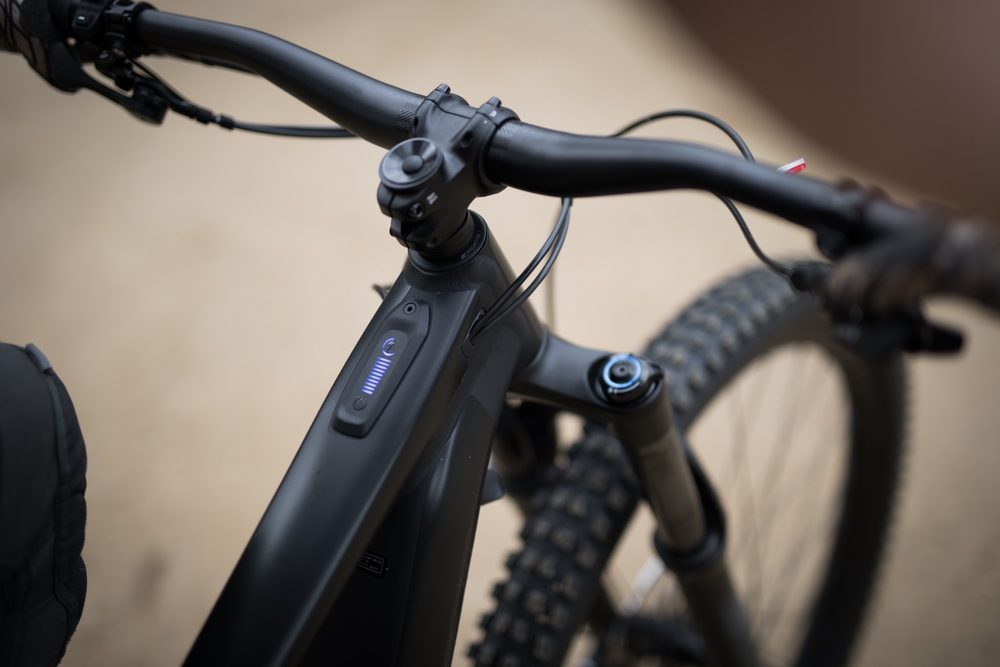
You bought your e-bike to save money on gas. Maybe you ride it to work. Maybe you cruise to the beach on weekends. You enjoy the breeze, the freedom, the simplicity of pedal assist with a little electric boost.
Then the rules change.
Almost overnight, New Jersey passed one of the strictest sets of e-bike regulations in the country. Now riders have to navigate a whole new legal landscape before they can hit the road legally and safely.
So what does this mean for you? And what should you do if something goes wrong and you end up injured?
Let’s break it down so you understand your rights and your responsibilities.
New E-Bike Rules in New Jersey: Safety Is the Reason, But the Rules Are Big
Earlier this year, Governor Murphy signed a bill that completely updates how electric bicycles are treated under New Jersey law.
Under the new law, most e-bikes are no longer treated like traditional bicycles. Instead, they are officially classified as motorized bicycles, meaning they follow a vehicle-style regulatory framework similar to mopeds and scooters.
That classification change may sound technical, but it has real, everyday consequences for riders.
This includes:
- Licensing requirements for operators
- Registration of the e-bike with the state
- Liability insurance coverage for the e-bike
- Minimum age requirements to ride
In short, all riders must be prepared to comply or risk fines and other penalties.
Licensing and Age Requirements: You Might Need a Permit Before You Ride
Under the new rules, every e-bike rider needs one of the following:
- A valid New Jersey driver’s license, or
- A motorized bicycle license issued by the New Jersey Motor Vehicle Commission
That second option is for riders who do not have a standard license yet. The motorized bicycle license requires passing written and vision tests, getting a permit, and completing a road test, just like other motor-vehicle licenses.
There’s also a minimum age for e-bike riders. If you are under 15, you cannot legally operate an e-bike in New Jersey.
These rules take effect as the law is rolled out, and riders have a deadline to come into compliance, so it’s important to research the exact timeline and requirements with the MVC.
Registration and Insurance: Not Just for Cars Anymore
Here’s one of the biggest shifts under the new law:
Your e-bike must be registered with the state, just like any other motorized vehicle.
That means filling out forms with the New Jersey Motor Vehicle Commission, paying a fee, and receiving official documentation showing your bike is legally recognized.
On top of that, riders must carry liability insurance for their e-bike.
Why? Lawmakers say it’s about protecting everyone on the road. If you are involved in a crash, even if you are not at fault, insurance helps cover medical bills and damages for injured parties.
This insurance requirement is unusual compared to most other states, where low-speed e-bikes are still treated like bicycles without need for coverage.
New E-Bike Rules in New Jersey: Where Can You Legally Ride an E-Bike and What Qualifies as One?
The new law applies to e-bikes, which generally include pedal-assist bicycles with motors and throttle-equipped electric bikes. Most types that New Jersey residents ride for commuting or recreation are now covered.
That means places you might have ridden before, like shared trails, bike paths, or public roadS, could require you to meet the new licensing and registration rules if the vehicle qualifies as a motorized bicycle.
Local municipalities may also have their own rules about where e-bikes can be ridden safely and legally. Always check local ordinances before you ride.
New E-Bike Rules in New Jersey: What Safety Gear Do You Need and What Should You Carry While Riding?
Even with these formal requirements, common sense still applies.
New Jersey’s updated rules emphasize safety, and that includes things like helmet use, especially for younger riders, lights for night riding, and visibility equipment when you’re on the road.
Carrying your license, registration, and insurance information with you while riding is important too. If law enforcement stops you or an accident happens, you’ll need to show proof of compliance just like any other vehicle operator.
New E-Bike Rules in New Jersey: What Happens If You’re Hurt?
So what if you are riding your e-bike legally and someone else causes a crash? Or what if you are hurt due to another party’s negligence, whether on a shared trail, a bike lane, or a road?
That’s where legal strategy really matters.
Even with the new laws, you still may be entitled to compensation under New Jersey personal injury law if someone else’s careless actions caused your injury. That could include:
- A driver who hit you in a collision
- A property owner who failed to maintain a safe path
- Another cyclist whose reckless conduct injured you
Understanding liability, fault, and how insurance works in these situations often requires a deeper look at the specific facts.
New E-Bike Rules in New Jersey: When Should You Contact a Lawyer After an E-Bike Accident?
You don’t need a lawyer just for getting licensed or registered. But you do want one when:
- You’re injured in an e-bike crash involving another vehicle
- You face unfair insurance tactics after an accident
- You are unsure who is responsible for your medical bills
- Your injuries are serious enough to affect work or daily life
A lawyer can help make sense of multiple insurance policies, liability issues, and how New Jersey’s new e-bike regulations may affect your case.
If another party’s negligence contributed to your injury, legal guidance can protect your rights and help you pursue fair compensation.
Similar Post: When Is a Dooring Injury Claim Worth Filing?
New E-Bike Rules in New Jersey: Preparing for the Road Ahead
New Jersey’s new e-bike law represents a big shift for riders across the state. What was once a simple and affordable form of transportation now comes with formal responsibilities that resemble operating a motorized vehicle.
For many commuters, recreational riders, and gig economy workers, these changes may feel sudden and significant.
The good news is that the law includes a compliance period, fee waivers for initial licensing and registration, and time to get the proper insurance coverage in place.
But understanding exactly what applies to you and what to do if something goes wrong can make all the difference.
New E-Bike Rules in New Jersey: What Should You Do If You Are Injured in an E-Bike Accident?
Electric bikes are a great way to get around New Jersey, but new regulations means you need to know your rights and your responsibilities.
If you were hurt in an e-bike accident, whether it was another rider’s fault, a motorist’s negligence, or unsafe road conditions, Camili & Capo, PA can help you understand your legal options and pursue compensation.
Fill out our online contact form to schedule a free consultation and learn more about how the law affects your situation.
Your ride should empower you, not leave you confused or unprotected. Make sure you are informed and ready before you hit the road in Totowa, New Brunswick, Hackensack, or anywhere else in New Jersey.
Disclaimer: This blog is intended for informational purposes only and does not establish an attorney-client relationship. It should not be considered as legal advice. For personalized legal assistance, please consult our team directly.