
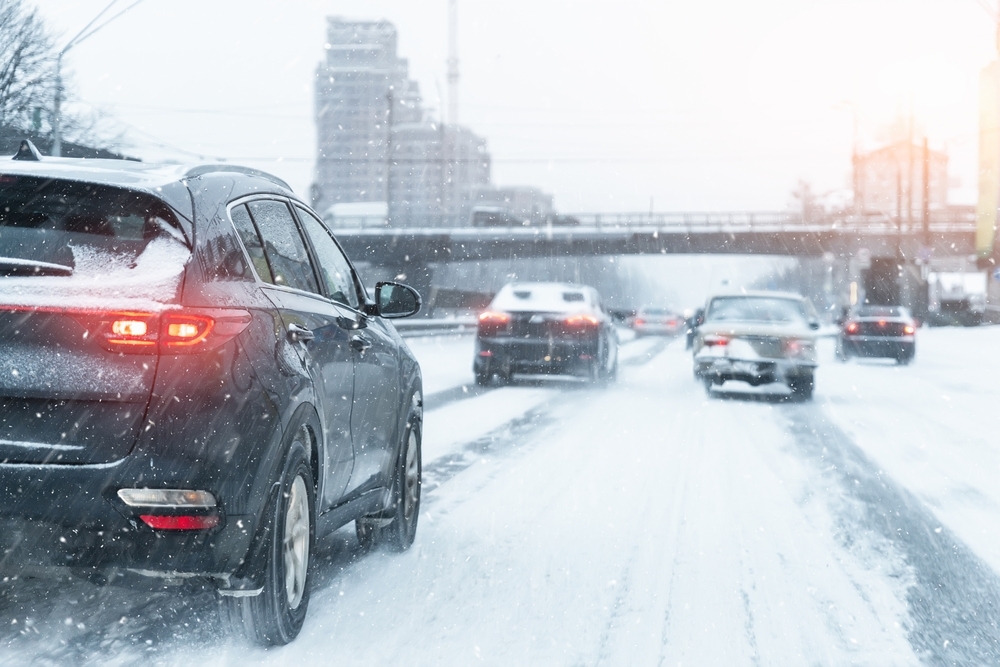
Staying safe in bad weather and heavy traffic matter more than most drivers realize, because December conditions create a risky mix. Roads get slick from rain, sleet, snow, and black ice. Meanwhile, holiday errands pack highways and local streets with distracted, rushed drivers. As a result, even careful drivers can end up in scary situations fast. The good news is that simple, practical habits can lower your crash risk and help you protect yourself if something goes wrong.
Camili & Capo also dug into national crash data to see which interstate segments show the highest risk. Our Most Dangerous Roads in America study analyzed fatal crashes per mile on primary interstates from 2019 to 2023, which helps explain why busy corridors can turn dangerous fast when December weather and holiday traffic collide.
Below are realistic steps you can use all month across New Jersey, whether you drive on Route 80, the Garden State Parkway, Route 3, I-287, or local roads near shopping centers and school drop-offs.
Why December Driving In New Jersey Gets More Dangerous
December brings conditions that raise crash risks in multiple ways. Drivers deal with earlier sunsets, unpredictable precipitation, and heavier traffic patterns. In addition, many drivers feel pressure to make good time, which leads to tailgating, speeding, and aggressive lane changes.
Common December driving hazards include:
- Wet leaves and debris that reduce traction
- Black ice on bridges, ramps, and shaded roads
- Slush buildup near curbs and lane edges
- Foggy windshields and reduced visibility
- Glare from headlights during early darkness
- Construction zones that remain active even in winter
- Drivers distracted by phones, navigation, or passengers
Because these hazards often hit at the same time, defensive driving matters even more.
How To Prepare Your Car Before Bad Weather Hits
Before you focus on technique, set yourself up for safer driving with basic vehicle prep. A few quick checks can reduce your chance of losing control or getting stuck.
Check Tires For Tread And Pressure
Tires are your first line of defense on slick roads. Low tread reduces grip, and low pressure can affect handling and braking. If the tread looks worn or uneven, replace your tires before the first big storm.
Replace Wiper Blades And Top Off Washer Fluid
If you cannot see, you cannot drive safely. Replace streaky wipers, and use winter-grade washer fluid so it does not freeze.
Test Headlights And Brake Lights
December darkness starts early in New Jersey. Make sure headlights, brake lights, and turn signals work. Clean off lenses, too, because road salt can reduce brightness.
Pack A Simple Winter Emergency Kit
Even short trips can turn into long waits when crashes block traffic. Consider keeping:
- A warm blanket and gloves
- A phone charger
- A small shovel and ice scraper
- A flashlight
- Bottled water and snacks
- Jumper cables
These items can help if you end up stranded.
New Jersey December Driving Tips For Bad Weather
Bad weather driving is not about fear. It’s about giving yourself more time and more space, because slick roads reduce traction and increase stopping distance.
Slow Down And Increase Following Distance
Speed multiplies risk. When roads get slick, increase your following distance to at least eight to 10 seconds. If visibility drops or snow starts sticking, add more space.
Brake Gently And Avoid Sudden Moves
Hard braking and sharp turns cause skids. Instead, brake earlier and more gently. Also, turn slowly and smoothly, especially when entering ramps or curves.
Watch For Black Ice In The Most Common Spots
Black ice often forms where pavement stays colder, including:
- Bridges and overpasses
- On-ramps and off-ramps
- Shaded roads near trees or buildings
- Areas near water
If temperatures hover around freezing, assume black ice is possible even if the road looks dry.
Use Headlights In Rain, Fog, Or Snow
Visibility drops fast in winter storms. Use headlights so other drivers can see you. Avoid high beams in heavy snow or fog since glare can make visibility worse.
Give Snowplows And Salt Trucks Plenty Of Room
Plows throw snow and salt, and they move slowly for a reason. Stay back. Do not pass unless you have a clear, safe opportunity.
New Jersey December Driving Tips For Heavy Holiday Traffic
Bad weather is only half the problem. December also brings heavy traffic near malls, town centers, and major highways. Congestion increases rear-end crashes, side-swipes, and pedestrian accidents in parking lots.
Expect Extra Pedestrians And Rushed Drivers In Shopping Areas
Parking lots get chaotic during the holiday season. Watch for people walking between vehicles, pushing carts, or stepping into crosswalks with limited visibility. Slow down and scan.
Avoid Peak Times When You Can
If your schedule allows, drive earlier in the morning on weekends and avoid late afternoon commute hours. Fewer cars means fewer sudden stops and fewer close calls.
Stay Calm In Stop-And-Go Traffic
Aggressive lane changes rarely save time in congestion. Instead, keep a safe buffer and focus on smooth driving. Stop-and-go driving increases rear-end collisions, so leave room in front of you whenever possible.
Watch For Impaired And Distracted Drivers
Holiday gatherings increase the number of impaired drivers on the road. At the same time, distracted driving spikes because people rely on navigation and texting while shopping and traveling. If you notice a driver drifting, tailgating, or speeding, increase distance and avoid driving beside them.
Similar Post: Are Distracted Drivers More Dangerous During Holiday Traffic in New Jersey?
Driving In Snow And Ice: What To Do If You Start To Skid
A skid feels terrifying, but your response matters.
If your car starts to skid:
- Ease off the gas.
- Avoid slamming the brakes.
- Steer gently in the direction you want the front of the car to go.
- Keep your movements smooth because sudden corrections can worsen the skid.
If conditions feel too dangerous, pull over when safe and wait for visibility and traction to improve.
What To Do Immediately After A Winter Car Crash In New Jersey
Even with the best New Jersey December driving tips, crashes still happen. If you get hit, take steps that protect health and preserve your claim.
Check For Injuries And Call 911
Get help right away if anyone has pain, dizziness, confusion, numbness, or visible injury. Medical records also help document the impact of the crash.
Similar Post: What’s the Next Step After a Crash? Why Accepting Medical Care Matters Even If You Feel Fine
Take Photos Before Cars Move, If Safe
Photograph:
- Vehicle damage
- Road conditions, including snow, slush, or ice
- Skid marks and debris
- Traffic signs, lights, and lane markings
- Weather conditions and visibility
These photos can help clarify what happened.
Get Driver And Witness Information
Exchange insurance and contact information. Also, ask witnesses for names and phone numbers. Witnesses can help if another driver later changes their story.
Be Careful What You Say At The Scene
Avoid apologizing or speculating. Stick to the facts when speaking with police. Later, if an insurance adjuster calls, keep it brief until you understand your rights.
How Fault Often Works In New Jersey Winter Crashes
Winter weather does not excuse careless driving. Drivers still must operate safely for conditions. That means a driver who speeds, tailgates, or fails to clear snow from their windshield can still be responsible for a crash.
Also, multiple factors can contribute to the crash. For example, one driver may follow too closely while another changes lanes unsafely. Evidence matters because insurance companies often argue that weather caused the accident, not negligence. Strong documentation helps show the difference.
Frequently Asked Questions About December Driving In New Jersey
Should I Drive If The Weather Looks Bad?
If you can avoid it, staying off the road during severe storms can reduce the risk of motor vehicle accidents. If you must drive, prepare your car and plan extra time.
Is It Illegal To Drive With Snow On My Car In New Jersey?
Yes, because driving with snow that can blow off your car creates hazards. Clearing your windshield, lights, hood, and roof helps protect others and reduces your chance of getting a fine.
What If I Slip On Ice In A Parking Lot After A Crash?
Property owners may have responsibilities to address dangerous conditions. If ice and poor maintenance worsened your injuries, that could affect a claim.
Similar Post: How to Rebuild Your Life After a Car Accident When You’re Afraid to Drive Again
Contact Camili & Capo After A December Car Accident In New Jersey
Staying safe in bad weather and heavy traffic can lower your risk of personal injury, but they cannot eliminate it. When another driver’s carelessness causes a crash, you should not have to absorb the costs alone. You may face medical bills, missed work, and ongoing pain at the exact time of year when life already feels hectic.
Camili & Capo helps people across New Jersey after car accidents, including winter weather crashes and holiday traffic collisions. If you were hurt in December, you can take a smart next step now. Gather your photos, your crash report number, and any medical paperwork. Then contact Camili & Capo to schedule a confidential consultation.
The sooner you act, the easier it becomes to preserve key evidence and get clear guidance on what compensation may be available. We represent clients in Hackensack, Bayonne, Fair Lawn, and throughout New Jersey.
Disclaimer: This blog is intended for informational purposes only and does not establish an attorney-client relationship. It should not be considered as legal advice. For personalized legal assistance, please consult our team directly.