

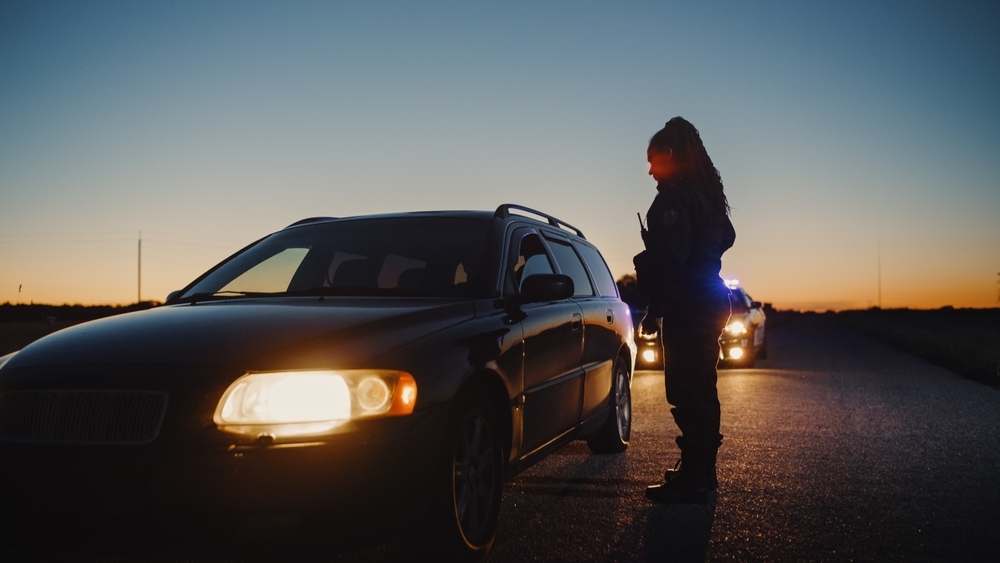
Being pulled over during holiday DUI patrols in New Jersey can feel intimidating, especially in December when police increase traffic enforcement around parties, shopping districts, and busy highways. Still, you can take control of the moment. The right choices can keep the stop calm, reduce misunderstandings, and protect your position if the officer starts a DUI investigation.
In this December survival guide, you will learn what typically happens during a holiday DUI stop in New Jersey, what you can do to avoid common mistakes, and when it helps to speak with Camili & Capo about your options.
Why December Traffic Stops Feel Different In New Jersey
December driving in New Jersey brings three things that change the dynamics of a stop.
- More enforcement hours: Departments often staff extra patrols on weekends and late nights.
- More driving risk factors: Fatigue, winter weather, and holiday congestion can mimic impairment.
- More activity near nightlife and retail hubs: Officers may focus on areas with heavy foot traffic and frequent lane changes.
Because of that, you should expect more police presence and more driver screenings throughout the month.
The Best Way To Handle The First 60 Seconds
If you see lights behind you, focus on safety first. That is also the fastest way to signal that you are not a problem driver.
Choose A Safe Stop Location
- Signal your intention to pull over
- Slow down gradually
- Pull to a shoulder, parking lane, or well-lit area when possible
Do not stop on a curve or near an intersection if you can safely roll forward
Set A Calm Scene Inside The Car
- Turn off music
- Keep both hands visible on the wheel
- At night, turn on the interior light
- Grab documents only after the officer arrives, unless they are already in easy reach
Quick movement can look suspicious, even when it is innocent, so slow and steady wins here.
What You Must Provide, And What You Can Keep Minimal
During a New Jersey traffic stop, the officer will usually request your license, registration, and insurance. Have them ready, hand them over, and keep your tone polite.
After that, the officer may ask questions that sound casual but serve a purpose, such as where you are coming from or whether you have been drinking. You can keep answers short and neutral, because long explanations often create new issues.
Practical approach:
- Stick to brief, direct responses
- Do not guess or ramble
- Do not volunteer extra details to fill the silence
Silence can feel awkward, yet oversharing is often worse.
Similar Post: What Happens After a DUI/DWI Arrest in New Jersey: A Step-by-Step Guide
December Pitfall: Winter Driving That Looks Like Impairment
A huge issue in December is that normal winter driving can resemble intoxicated driving patterns.
Examples include:
- Drifting within a lane to avoid icy patches
- Slower speed because visibility drops
- Wide turns because roads feel slick
- Jerky stops when traffic compresses near malls or event areas
If an officer mentions your driving, keep the explanation simple and factual. For example, you can reference road conditions, glare, or congestion without turning it into a debate.
When A Stop Shifts Into A DUI Investigation
Many holiday DUI cases start with a basic traffic stop and then shift based on what the officer observes.
Common triggers include:
- Odor of alcohol
- Slurred speech or confusion
- Red or watery eyes
- Open containers in plain view
- Difficulty following instructions
Some of these can occur for reasons unrelated to alcohol, such as allergies, anxiety, fatigue, or cold medicine. Even so, the officer may continue the investigation.
Roadside Coordination Checks In Winter: Why Conditions Matter
During a December stop, an officer may ask you to step out of the car for roadside coordination checks. These moments can feel high-pressure because they happen fast, in the dark, and often next to moving traffic. Winter adds practical barriers that have nothing to do with alcohol, like reduced traction, bulky clothing, and limited shoulder space.
If you are asked to step out, treat it like a safety situation first:
- Move slowly and follow directions one step at a time
- Let the officer know if the shoulder is icy, uneven, or poorly lit
- If you have a medical issue, recent injury, or mobility limitation, mention it plainly before you start
- Do not try to explain your whole medical history on the roadside, just flag what affects balance, coordination, or breathing
These encounters often hinge on impressions. Because of that, calm behavior, clear communication, and steady movements matter. If the situation escalates, you can address the legal issues later with counsel instead of trying to resolve everything in the moment.
Breath Testing: Why Procedure Matters
Breath testing can become a central piece of evidence in a DUI case. If the officer escalates the stop, they may use a preliminary breath device during the stop and later rely on formal testing if an arrest occurs.
What matters for your defense is often not just the number. It can include:
- The timeline of the stop and testing
- Whether instructions were clear
- Whether the process followed required steps
- Whether medical factors could affect results
Because DUI cases are detail-driven, you should focus on staying calm during the stop and saving the legal fight for later.
Similar Post: Fighting a DUI Charge in New Jersey: Key Defenses and How a DUI Lawyer Can Help
What To Do If You Leave With Paperwork Or Charges
Whether you receive a ticket, a summons, or an arrest, your follow-up steps can protect you.
Write A Same-Night Timeline
As soon as you can, document:
- Stop location, time, and reason given
- Weather, visibility, and road condition
- What you ate or drank and when
- Any medications taken, including cold or flu medicine
- Passengers and witnesses
- Anything unusual said or done during the stop
Small details that feel irrelevant today can matter a lot later.
Save Useful Proof
Depending on your situation, keep:
- Ride-share records
- Receipts with timestamps
- Parking records
- Event tickets or venue confirmations
Also, avoid discussing the stop by text or social media. Casual messages often get misunderstood later.
When It Makes Sense To Talk With Camili & Capo, P.A.
If police mentioned DUI, asked for field tests, requested breath testing, or issued a summons, a conversation with counsel can help you understand what the state must prove and what options may exist.
Camili & Capo can help you evaluate:
- Whether the stop had a valid basis
- Whether the investigation escalated appropriately
- Whether testing procedures raise concerns
- How to approach court dates and next steps
Early strategy often prevents avoidable mistakes.
Similar Post: Are DUI Charges Different if You’re Arrested Before the Legal Drinking Age but Over 18?
Talk With Camili & Capo After A December DUI Stop in New Jersey
If you were pulled over during holiday DUI patrols in New Jersey, you do not have to guess what happens next. Camili & Capo helps people understand the process, protect their rights, and respond with a clear plan.
Call Camili & Capo at (973) 834-8457 or fill out our online contact form to discuss your situation and your options. A calm, informed approach can make a meaningful difference in how your case moves forward. We represent clients throughout the state, including Teaneck, Ridgewood, Newark, and East Brunswick.
Disclaimer: This blog is intended for informational purposes only and does not establish an attorney-client relationship. It should not be considered as legal advice. For personalized legal assistance, please consult our team directly.