


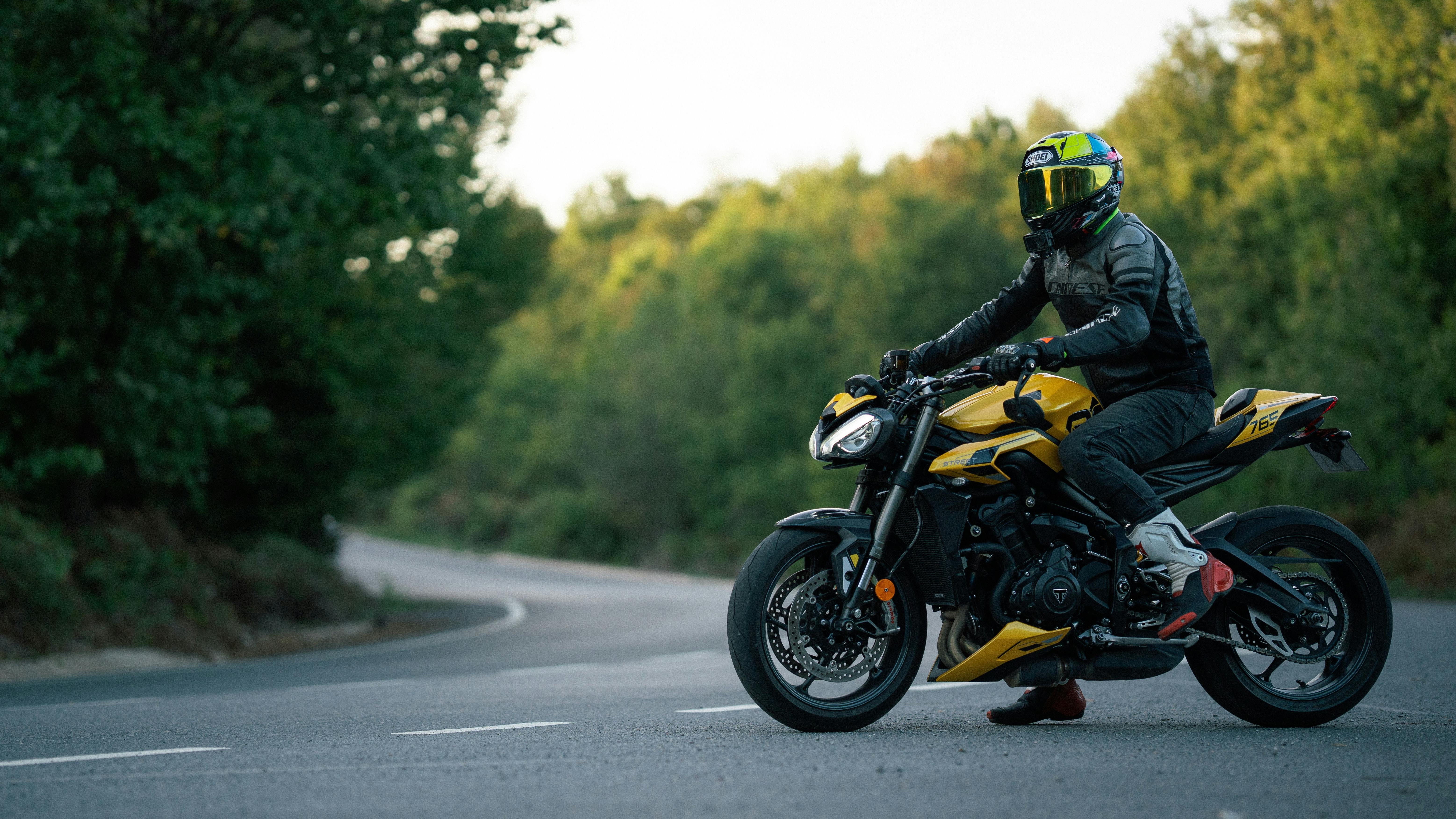
If you ride a motorcycle in New Jersey, you already know how quickly another driver’s mistake can put you in danger. A car drifts into your lane on the Garden State Parkway. A driver turns left across your path in Newark. Someone checks for larger vehicles but fails to register your motorcycle until it is too late.
So, do drivers ignore motorcycles in NJ?
In many crashes, drivers do not set out to ignore riders. However, they still overlook them, misjudge their speed, or fail to check carefully before making a move. Because motorcycles are smaller than passenger vehicles, drivers may not notice them in blind spots, intersections, parking lots, or fast-moving traffic.
That does not make the crash unavoidable. Drivers in New Jersey must watch for motorcycles just as carefully as they watch for cars, trucks, buses, and pedestrians. When they fail to do that, an injured rider may have the right to pursue compensation.
If you were hurt in a motorcycle accident in New Jersey, Camili & Capo, PA can help you understand what happened, who may be responsible, and what steps can protect your claim. Contact the firm today for a free consultation.
Do Drivers Ignore Motorcycles In NJ: Why Do Drivers Fail To Notice Motorcycles In New Jersey?
Motorcycle crashes often start with one simple problem: a driver does not take enough time to look.
That can happen in several ways. A driver may glance in a mirror without checking the blind spot. Another driver may rush through a left turn because they think the motorcycle is farther away. Someone else may focus on traffic lights, GPS directions, or nearby vehicles while missing the rider completely.
These crashes often happen when drivers:
- Change lanes without checking carefully
- Turn left in front of an oncoming motorcycle
- Merge onto a highway too quickly
- Pull out of a driveway or parking lot
- Follow too closely in stop-and-go traffic
- Open a vehicle door near a passing rider
Although motorcycles can be harder to see, drivers still have a responsibility to look carefully before moving. A driver who says they did not see the motorcycle may still be responsible if a safer driver would have noticed the rider in time.
Left-Turn Motorcycle Accidents In NJ: How Do Intersection Crashes Happen?
Left-turn crashes create serious risks for motorcycle riders because the rider often has little time to avoid impact. These accidents usually happen when a driver turns across the rider’s lane and claims they did not see the motorcycle coming.
In busy areas like Newark, Jersey City, Paterson, and Elizabeth, traffic can move in several directions at once. Drivers may focus on beating a light or clearing an intersection instead of watching for motorcycles. As a result, a rider who has the right of way may suddenly face a vehicle directly in their path.
These cases often depend on details such as:
- Whether the rider had the right of way
- Whether the driver turned on a green light or arrow
- Whether the driver failed to yield
- Whether the motorcycle was visible before the turn
- Whether traffic cameras or witnesses captured the crash
A driver cannot avoid responsibility simply by saying the motorcycle appeared out of nowhere. In many cases, the rider was there the entire time, and the driver failed to look long enough.
Highway Motorcycle Accidents In NJ: Why Are Highway Motorcycle Accidents So Serious?
New Jersey highways leave very little room for error. On roads like the New Jersey Turnpike and the Garden State Parkway, drivers often change lanes quickly, brake suddenly, and merge through heavy traffic.
For motorcycle riders, those ordinary traffic patterns can become dangerous. A small lane drift from a car can force a rider to swerve. A sudden merge can leave a motorcycle boxed in. A tailgating driver may not stop in time if traffic slows.
For instance, a crash near Route 46 in Little Falls can involve heavy traffic, quick merges, and fast-moving vehicles. When a driver fails to see a motorcycle in that setting, the rider may suffer severe injuries even if the impact does not seem major from the driver’s perspective.
Because riders do not have the protection of a vehicle frame, motorcycle crashes can cause:
- Broken bones
- Traumatic brain injuries
- Spinal cord injuries
- Road rash
- Internal injuries
- Shoulder, knee, and wrist injuries
- Long-term pain or mobility issues
These injuries can affect far more than the day of the crash. They may require surgery, physical therapy, follow-up appointments, missed work, and long-term lifestyle changes.
Similar Post: How to File a Motorcycle Accident Claim in New Jersey
Motorcycle Accident Liability In NJ: Who May Be Responsible For A Motorcycle Accident In NJ?
Responsibility depends on what caused the crash. In many motorcycle accident cases, a driver may be liable if they failed to use reasonable care behind the wheel.
A driver may be responsible if they:
- Failed to yield
- Made an unsafe left turn
- Changed lanes without checking blind spots
- Followed too closely
- Drove while distracted
- Sped through traffic
- Ignored traffic signals or signs
However, motorcycle accident claims do not always involve only one person. In some cases, another party may also share responsibility. For example, a trucking company may be involved if a commercial vehicle caused the crash. A municipality or road maintenance contractor may become part of the case if unsafe road conditions played a role. A vehicle manufacturer may also be relevant if a defective part contributed to the accident.
Because of that, a motorcycle accident claim should look beyond the first explanation. A thorough review can reveal whether more than one party contributed to the rider’s injuries.
Shared Fault In Motorcycle Accident Claims: How Can Shared Fault Affect A Motorcycle Accident Claim?
After a motorcycle crash, the insurance company may try to blame the rider. This happens even when the other driver clearly made the dangerous move.
The insurer may argue that the rider was speeding, riding too close to traffic, changing lanes unsafely, or failing to react quickly enough. These arguments matter because New Jersey follows a comparative fault rule. If a rider receives part of the blame, their compensation may be reduced by that percentage. If the rider is found mostly responsible, recovery may become much more difficult.
That is why evidence matters. The goal is not just to show that a crash happened. The goal is to show how it happened and why the driver’s actions caused it.
Helpful evidence may include:
- Photos of the vehicles and crash scene
- Police reports
- Witness statements
- Traffic camera footage
- Surveillance footage from nearby businesses
- Medical records
- Motorcycle damage patterns
- Skid marks, debris, and road conditions
The sooner this evidence gets collected, the stronger the personal injury claim may become. Over time, cameras may erase footage, witnesses may forget details, and vehicles may get repaired or moved.
Motorcycle Insurance Claims In NJ: Why Do Insurance Companies Challenge Motorcycle Accident Claims?
Motorcycle riders often face unfair assumptions after a crash. An insurance adjuster may treat the rider as reckless before reviewing the facts. They may also downplay the injuries or suggest that the rider accepted the risk simply by riding a motorcycle.
These assumptions can hurt a valid claim if they go unanswered.
Insurance companies may try to:
- Minimize the severity of the injuries
- Suggest the rider caused or contributed to the crash
- Use gaps in medical treatment against the rider
- Offer a fast settlement before the full injury impact is clear
- Question whether the crash caused all claimed medical issues
Because of this, injured riders should avoid giving recorded statements or accepting quick offers without understanding the full value of the claim. Once a settlement is accepted, the rider may not be able to seek more compensation later, even if new medical problems appear.
After A Motorcycle Accident In NJ: What Should You Do After A Motorcycle Accident?
The steps you take after a motorcycle accident can affect your health and your claim.
After a crash, you should:
- Call 911 and report the accident
- Get medical care as soon as possible
- Take photos if you can do so safely
- Get names and contact information from witnesses
- Avoid admitting fault at the scene
- Keep damaged gear, including your helmet and clothing
- Follow all medical treatment instructions
- Save bills, receipts, and missed work records
- Avoid posting about the accident online
Even if you feel able to walk away, you should still get checked by a medical provider. Some injuries become more painful after the adrenaline wears off. Medical records can also help connect your injuries to the crash.
Similar Post: The Injury Didn’t Seem Serious at First: Why Delayed Symptoms Matter Under New Jersey Law
Were You Hurt Because A Driver Failed To See Your Motorcycle In NJ? Call Camili & Capo, PA For a Free Consultation Today
So, do drivers ignore motorcycles in NJ? Sometimes, they fail to see riders because they do not look carefully enough. Other times, they misjudge a motorcycle’s distance, speed, or position in traffic. Either way, that mistake can cause devastating harm.
New Jersey drivers must share the road safely with motorcycles. When they fail to check blind spots, yield properly, or stay alert, injured riders may have legal options.
If you were hurt in a motorcycle accident, Camili & Capo, PA can review the details of your crash, explain your rights, and help you take the next step. Contact the firm today to discuss your case and learn how to protect your claim.
Motorcycle Accident FAQs In NJ: What Questions Do Injured Riders Often Ask After A Crash?
Do Drivers Ignore Motorcycles In NJ More Than Other Vehicles?
Drivers may overlook motorcycles more often because they are smaller than cars and trucks. However, drivers still have a duty to check carefully before turning, merging, or changing lanes.
Can I Recover Compensation After A Motorcycle Accident In New Jersey?
Yes, you may be able to recover compensation if another party caused the crash. However, your recovery may depend on evidence, fault, injuries, insurance coverage, and the specific facts of the accident.
What If The Driver Says They Did Not See My Motorcycle?
A driver may still be responsible even if they claim they did not see you. Drivers must keep a proper lookout and check for motorcycles before making traffic movements.
Can I Still Have A Claim If I Was Partly At Fault?
Possibly. New Jersey allows injured people to seek compensation if they are not mostly responsible for the crash. However, any percentage of fault assigned to you may reduce your recovery.
How Long Do I Have To File A Motorcycle Accident Claim In NJ?
In many New Jersey personal injury cases, you generally have two years from the date of the accident to file a lawsuit. However, some deadlines may be shorter depending on the facts, so you should act quickly.
Disclaimer: This blog is intended for informational purposes only and does not establish an attorney-client relationship. It should not be considered as legal advice. For personalized legal assistance, please consult our team directly.