


By the New Jersey E-Bike Accident Lawyers at Camili & Capo, PA

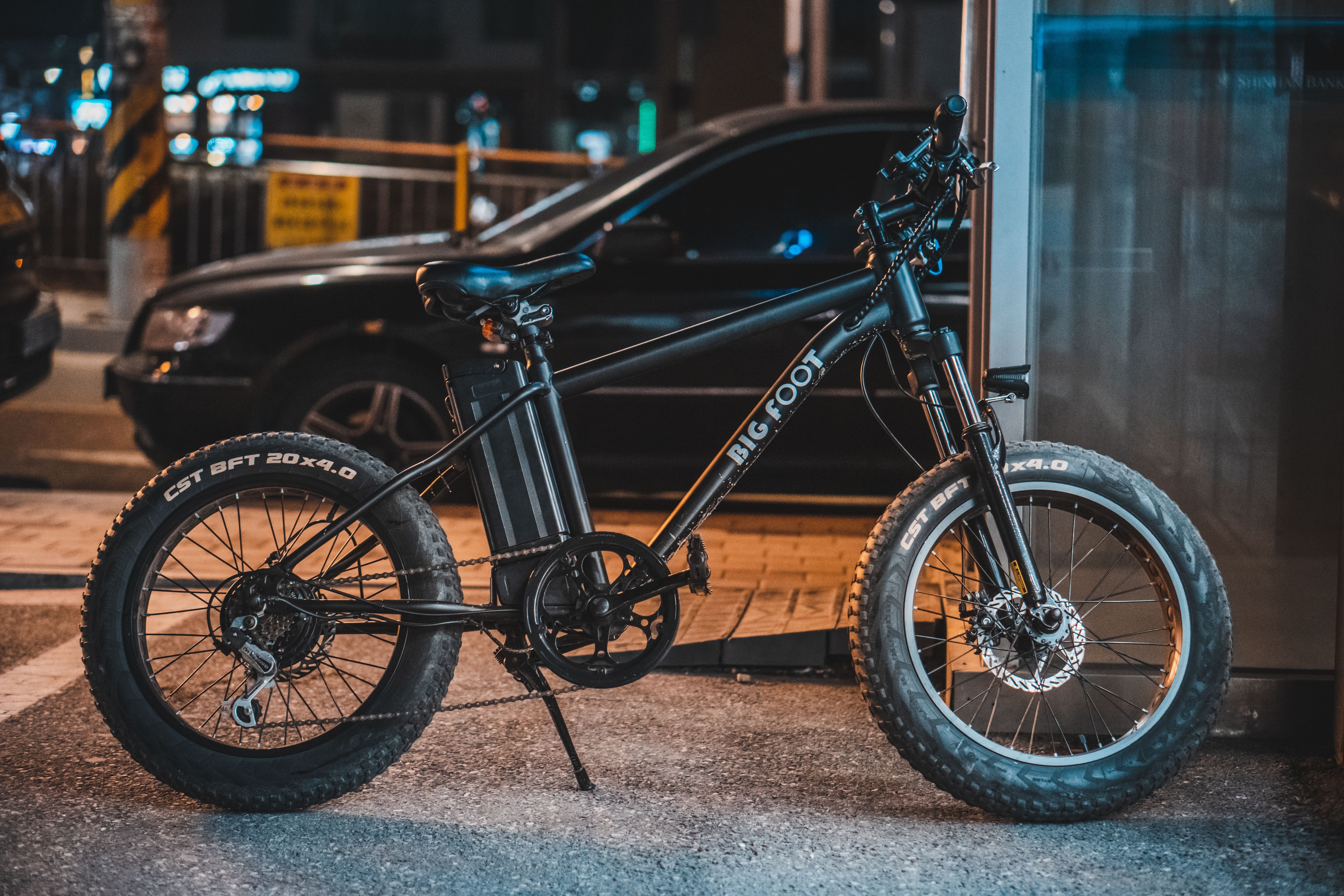
If you ride an electric bicycle in New Jersey, the rules you have followed for years are about to change. The new New Jersey e-bike law, passed as bill S4834, takes effect July 19, 2026, and it introduces registration, licensing, and, for some riders, insurance requirements that never applied to ordinary bicycles before. For many people who count on an e-bike to get to work, run errands, or simply enjoy a ride, the change feels confusing and a little unfair.
You are not imagining the uncertainty. Even attorneys and law enforcement officials say plenty of questions remain about how the law will be enforced. As Joseph Capo, managing partner at Camili & Capo, PA put it, “What used to be treated as a bicycle in New Jersey is now being treated as a motor vehicle. That has significant implications for licensing, registration and insurance.”
This guide breaks down what the new law actually requires, how it could change what happens if you are hurt in a crash, and what practical steps you can take to protect yourself. The goal is to help you feel informed rather than overwhelmed.
If you have already been injured in an e-bike crash, or you are worried about how these changes affect a pending claim, you do not have to sort it out alone. You can call Camili & Capo, PA at (973) 834-8457 or reach out through the contact form on our website to talk through your situation in a free consultation.
New Jersey's New E-Bike Law Explained: What Is Actually Changing On July 19?
For years, New Jersey treated most electric bicycles much like traditional bikes. The new law changes that by creating rules based on the type of e-bike you ride. In short, faster and more powerful models now carry obligations that look a lot like the ones drivers already know.
The most important shift is really about how the state sees these vehicles. New Jersey is moving certain e-bikes out of the bicycle category and into something closer to a motor vehicle. That single change is what triggers the new licensing, registration, and insurance rules that riders across Newark, Totowa, and the rest of the state are now trying to understand before the deadline arrives.
E-Bike Registration And Licensing In New Jersey: Who Needs A License And Insurance?
What you have to do under the new law depends largely on your age and the kind of e-bike you own. According to the New Jersey Motor Vehicle Commission, the requirements break down like this:
- Riders under 15: prohibited from operating e-bikes on public roads and sidewalks
- Riders 15 and 16: required to earn a motorized bicycle license through a written knowledge test, vision screening, and road test
- Riders without a driver's license: required to complete that same motorized bicycle license process before riding certain e-bikes
- Adults with a valid New Jersey license: allowed to skip the license test but still required to register the e-bike
- Throttle-assisted models up to 28 mph: required to carry liability insurance
- Low-speed pedal-assist models: exempt from the insurance requirement when the bike has no throttle
The Motor Vehicle Commission is already accepting appointments for registration and licensing, and the first year of licensing and registration fees is being waived. To register, you will generally need documentation such as proof of purchase or ownership, and retailers are now required to give buyers the paperwork they need.
E-Bike Crashes In New Jersey: How Could Injury Claims And PIP Coverage Change?
One of the biggest and least understood parts of the new law involves what happens after a crash. For a personal injury firm like ours, this is the piece that concerns us most, because it can quietly change who pays your medical bills.
Capo explained that New Jersey's no-fault insurance system has long treated bicyclists a lot like pedestrians. If a car struck a cyclist, the injured rider's own automobile insurance typically covered medical expenses through Personal Injury Protection, known as PIP. Under the new law, the answer now depends on the e-bike itself. Here is how coverage can break down:
- Slower e-bikes without a throttle: treated as bicycles, so a rider's own car insurance pays medical bills through PIP when the bike cannot reach 20 mph
- Faster e-bikes over 20 mph: left without PIP coverage, which means the rider's health insurance is expected to pay
- Riders with no health insurance: forced to look to the at-fault party to cover medical expenses
- Crashes with no one else at fault: potentially leaving the injured rider to pay those bills alone
Capo also cleared up a common misunderstanding. Many riders assume no fault describes who caused a crash, when it really describes how medical expenses are paid at the start. “All that means is, if you're involved in a motor vehicle accident in the state of New Jersey, your own car insurance pays for your medical expenses regardless of who's at fault for the accident,” he said.
The practical takeaway is simple. If you ride a faster e-bike, the coverage you assumed would protect you may not be there after a collision along the Route 21 corridor or near the Garden State Parkway. Knowing which category your bike falls into before an accident can make a real difference.
Similar Post: The Injury Didn’t Seem Serious at First: Why Delayed Symptoms Matter Under New Jersey Law
New Jersey E-Bike Rules Versus National Standards: Why Is The Garden State An Outlier?
New Jersey has not just tightened its e-bike rules. It has stepped away from the approach most of the country uses.
According to bicycle insurance provider Velosurance, 45 states regulate e-bikes with a standardized three-class system that sorts bikes mainly by speed and throttle capability. New Jersey replaced that framework with its own classification system and became the first state to require liability insurance for certain e-bikes. The company noted that the new law places greater regulatory requirements on many riders than comparable laws adopted elsewhere.
Lawmakers acted after a sharp rise in e-bike use and growing concern about crashes involving high-powered models. Data cited by Velosurance shows both e-bike sales and emergency room visits have climbed in recent years, which pushed several states to revisit their rules. New Jersey simply went further than most.
Who The New E-Bike Law Affects Most: What Should Delivery Workers And Commuters Know?
Supporters of the law say clearer rules will improve safety and accountability as e-bikes share roads, boardwalks, and bike paths with pedestrians and traditional cyclists. That is a fair goal, and denser communities have genuinely seen more bike traffic alongside rising delivery demand and recreational riding.
Capo worries about the flip side. He believes the law may create unintended consequences for people who depend on e-bikes as affordable transportation. “It is having a disproportional effect also on e-bike riders, because a lot of e-bike riders are delivery workers, immigrants, seniors, disabled riders or low-income commuters,” he said. “It's going to increase the amount of money that they have to spend.”
In other words, the riders most likely to feel the cost are often the ones who can least afford it. If your income depends on an e-bike in a place like Newark or New Brunswick, the new fees, licensing steps, and insurance rules deserve your close attention well before the July 19 deadline.
Practical Next Steps After A New Jersey E-Bike Accident: What Should You Do?
If you are hurt in an e-bike crash, the moments and days afterward matter. Taking a few careful steps can protect both your health and any future claim.
- Get medical care first: seek treatment right away, both for your health and to document your injuries
- Identify your e-bike's category: note the top speed and whether it has a throttle, since that determines which insurance may apply
- Report the crash: contact police so there is an official record of what happened
- Gather evidence: save photos, witness contact information, and any purchase or registration paperwork
- Check your coverage: review your auto and health insurance to understand where you stand under the new rules
- Talk to a lawyer before giving a statement: get guidance before speaking with any insurance company about fault or payment
Every crash is different, and the new law adds a layer of complexity that did not exist before. A short conversation with an attorney early on can help you avoid costly mistakes.
What The New E-Bike Law Means For Your Injury Claim: How Should You Think About Coverage?
In plain English, the new law ties your protection after a crash to the kind of e-bike you ride. A slower, pedal-only e-bike keeps you inside the familiar no-fault system, where your car insurance pays first through PIP. A faster, throttle-equipped e-bike can push you outside that safety net, leaving your health insurance, the at-fault driver, or in some cases you to cover the bills.
There are no guarantees about how any single claim will turn out, and we never promise a specific result. What we can say is that understanding your coverage before you ride puts you in a far stronger position than discovering the gaps after an injury. If you are unsure where your e-bike fits, it is worth asking sooner rather than later.
E-Bike Riding Across North Jersey: Where Will These New Rules Be Felt Most?
The new rules apply statewide, but their impact will be especially visible in busy North and Central Jersey communities. In Newark, where commuters and delivery riders share crowded streets, and along the Route 21 corridor, the mix of cars and e-bikes keeps growing. Riders in Totowa and across Passaic County will face the same registration and licensing steps, and the same questions about insurance.
Farther south, students and workers in New Brunswick rely on e-bikes to move quickly through campus and downtown traffic. Add in the daily flow along the Garden State Parkway and through Bergen County, and it is easy to see why so many riders across the region are trying to make sense of the changes at once. Wherever you ride, the safest move is to learn your obligations before July 19.
Frequently Asked Questions About New Jersey's E-Bike Law
Do I need a license to ride an e-bike in New Jersey?
It depends on your age and the bike. Adults with a valid New Jersey driver's license generally meet the licensing rule but still must register the e-bike. Riders who are 15 or 16, or who do not have a driver's license, must earn a motorized bicycle license through a knowledge test, vision screening, and road test.
Do I need insurance for my e-bike in New Jersey?
If you ride a throttle-assisted e-bike capable of reaching 28 mph, you must carry liability insurance. Low-speed pedal-assist models without a throttle are exempt from that requirement.
Who pays my medical bills after an e-bike accident in New Jersey?
On a slower e-bike that cannot reach 20 mph and has no throttle, your own car insurance can pay through PIP. On a faster e-bike, PIP may not apply, and your health insurance, the at-fault party, or you could be responsible instead.
When does the new New Jersey e-bike law take effect?
The law, passed as bill S4834, takes effect July 19, 2026. The Motor Vehicle Commission is already accepting appointments for registration and licensing, with the first year of fees waived.
Should I talk to a lawyer after an e-bike crash?
Yes, especially before giving any statement to an insurance company. An experienced e-bike accident lawyer can explain how the new rules affect your claim and help you protect your right to compensation.
Talk To A New Jersey E-Bike Accident Lawyer Before You Ride Again
New Jersey's e-bike law is one of the most significant changes riders have faced in years, and the fine print can have real consequences if you are ever hurt. You deserve clear answers before you get back on the road.
If you or someone you love has been injured in an e-bike or motor vehicle accident anywhere in New Jersey, the dedicated team at Camili & Capo, PA is ready to help. Call us today at (973) 834-8457 or use the contact form on our website to schedule your free consultation and get straightforward guidance on your next steps.
Disclaimer: This blog is intended for informational purposes only and does not establish an attorney-client relationship. It should not be considered as legal advice. For personalized legal assistance, please consult our team directly.