


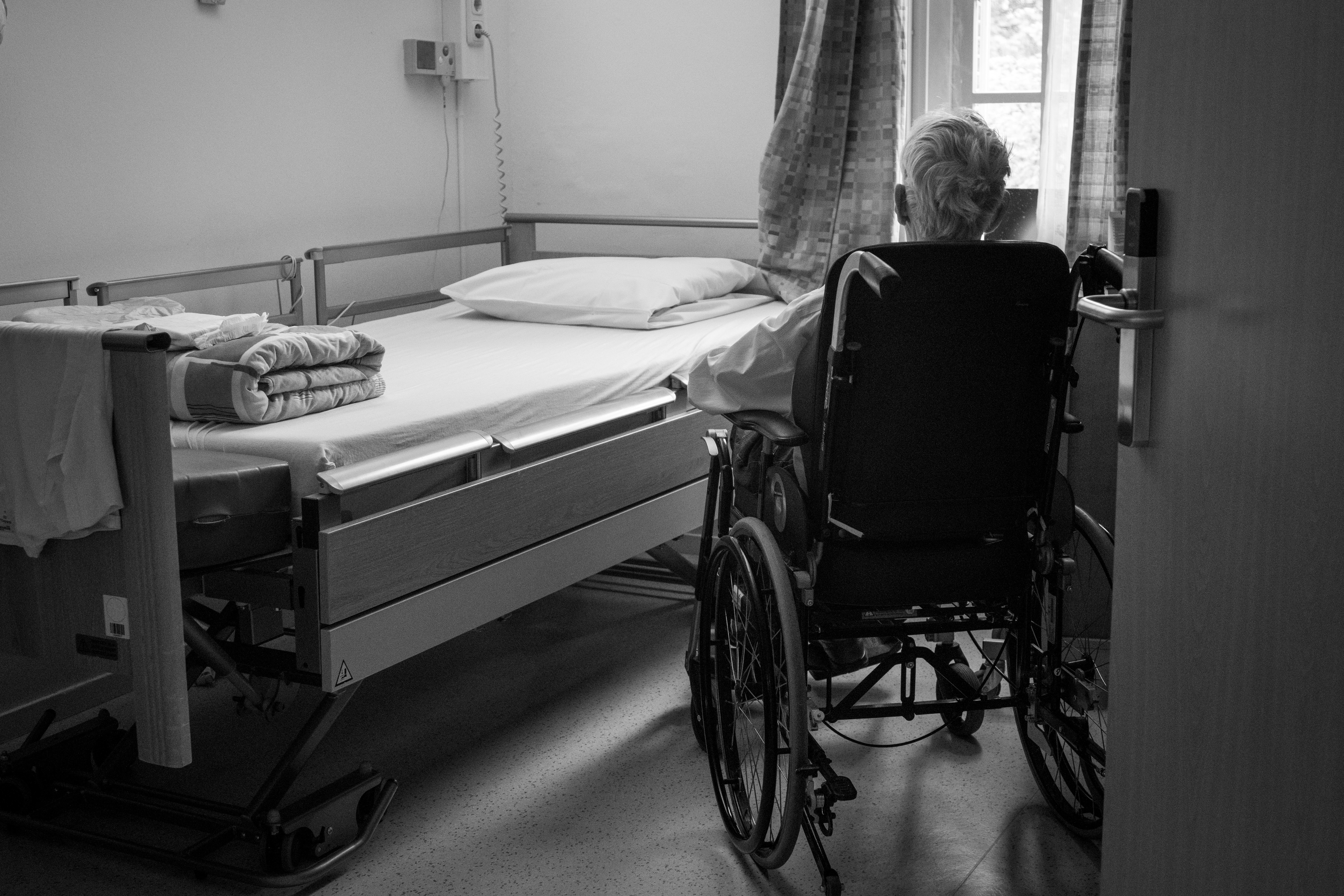
You trusted a nursing home to care for someone you love, and now something feels wrong. Maybe your mother flinches when a certain aide walks in, or your father has bruises no one can explain. Those quiet doubts are worth listening to. Learning the red flags of nursing home abuse in New Jersey can help you tell the difference between an ordinary bad day and a pattern that is putting your loved one in danger.
October 1 is the International Day of Older Persons, a reminder that our aging family members deserve dignity and safety wherever they live. For families in Newark, New Brunswick, and across the state, it is also a good time to look closely at the care a facility is really providing. Abuse and neglect often hide behind polite smiles and clean lobbies, so knowing what to watch for matters more than most people realize.
If your instincts are telling you something is off, trust them and get answers. Call Camili & Capo, PA at (973) 834-8457or reach out through our online contact form, and we can help you understand what you are seeing and what to do next.
Nursing Home Abuse In New Jersey: What Warning Signs Should Families Watch For?
Nursing home abuse takes many forms, and not all of them leave marks you can see. It can be physical, emotional, financial, or sexual, and it can also appear as neglect, where a resident's basic needs go unmet. Each form causes real harm, and each one gives families a reason to act.
The hardest part for many families is that the warning signs can look like normal aging at first. Weight loss, confusion, and withdrawal all happen for innocent reasons too. What separates abuse from ordinary decline is usually a pattern, a sudden change, or an explanation from staff that simply does not add up.
Paying attention is not being difficult or distrustful. It is one of the most caring things you can do. When you know the specific signs to look for, you can spot trouble early and protect your loved one before a bad situation becomes worse.
Physical Red Flags Of Nursing Home Abuse: What Changes On A Loved One's Body Matter?
Physical signs are often the first thing families notice, though staff may explain them away as clumsiness or age. Any of these signs deserves a closer look, especially when they repeat or when the story behind them keeps changing.
Physical warning signs to take seriously include:
- Unexplained bruises: marks appear on the arms, wrists, or back without a clear cause
- Frequent falls: the resident suffers repeated injuries the staff cannot fully explain
- Bedsores: pressure wounds form because a resident is left in one position too long
- Poor hygiene: the resident looks unwashed, or clothing and bedding stay dirty
- Sudden weight loss: the resident drops weight, hinting at malnutrition or dehydration
A single bruise on an active older adult may mean nothing at all. The concern grows when injuries pile up, when they appear in unusual places, or when staff seem reluctant to let you see your loved one alone. Trust what your eyes tell you and keep a written record of what you find.
Similar Post: Nursing Home Malnutrition: Signs of Neglect to Watch
Emotional And Behavioral Signs: How Does Nursing Home Abuse Show Up In A Resident's Mood?
Not every wound is visible. Emotional abuse and neglect can change how a person acts long before they leave any physical trace. These shifts are easy to miss during a short visit, so it helps to notice how your loved one behaves over time.
Behavioral changes that may point to abuse include:
- New withdrawal: the resident grows quiet, distant, or afraid to speak up
- Sudden agitation: the resident becomes anxious or upset around certain staff members
- Fearful body language: the resident flinches, avoids eye contact, or seems on edge
- Lost interest: the resident stops enjoying visits, hobbies, or favorite activities
- Unusual secrecy: the resident hesitates to talk when staff remain in the room
These signs can also stem from medication changes or medical conditions, so no single behavior proves abuse on its own. Still, a clear shift in personality is a signal worth investigating. Ask gentle questions, visit at different times, and pay attention to who is nearby when your loved one seems most uneasy.
Get Free Advice From An Experienced Nursing Home Abuse Lawyer. All You Have To Do Is Call (973) 834-8457 or Fill Out Our Free Case Evaluation Form.
Neglect Versus Abuse In New Jersey Facilities: Where Is The Line?
Families often ask whether what they are seeing counts as abuse or something else. The distinction matters, though both can support a legal claim in New Jersey. Understanding the difference helps you describe the problem clearly when you report it.
Abuse is intentional harm, such as hitting, threatening, or stealing from a resident. Neglect is the failure to provide reasonable care, such as ignoring call buttons, skipping meals, or leaving a resident in soiled clothing. Neglect is often the result of understaffing, poor training, or a facility trying to cut corners.
Both situations can leave a resident injured, malnourished, or traumatized. New Jersey law holds facilities responsible when their carelessness or wrongdoing harms the people they promised to protect. Whether the harm was deliberate or the product of neglect, your family has the right to answers and accountability.
Steps To Take If You Suspect Nursing Home Abuse: How Do You Protect Your Loved One?
If you believe someone you love is being harmed, acting calmly and quickly can make a real difference. Your first priority is always your loved one's immediate safety, and the steps that follow help protect their rights.
Consider these steps if you suspect abuse:
- Ensure safety first: get medical care right away if your loved one is hurt
- Document everything: photograph injuries and write down dates, names, and details
- Talk to your loved one: ask open questions in a private, calm setting
- Report your concerns: notify facility management and the proper state authorities
- Speak with a lawyer: get your situation reviewed before evidence disappears
Moving quickly does not mean overreacting. It means preserving the facts while they are fresh and making sure the right people know what is happening. The sooner you act, the more you can protect both your loved one and any future claim.
Reporting Nursing Home Abuse In New Jersey: Who Oversees These Facilities?
New Jersey does not leave families to handle these problems entirely on their own. Several agencies exist to investigate complaints and hold facilities accountable, and knowing where to turn can bring faster help.
The New Jersey Department of Health licenses and inspects nursing homes, and it accepts complaints about care and safety. The Office of the State Long-Term Care Ombudsman investigates concerns involving residents who are elderly, and it works to protect their rights. In urgent situations where a resident is in immediate danger, local police should be contacted right away.
Reporting to these agencies is important, and it can run alongside a civil claim rather than replacing it. No Hudson County nursing abuse and neglect lawyer can promise a particular result, but a dedicated legal team can help you file the right reports, gather evidence, and pursue accountability through the courts. The goal is to protect your loved one and to prevent the same harm from reaching another family.
Nursing Home Abuse Claims Across New Jersey: Which Communities Do We Serve?
Nursing home abuse happens in facilities of every size and reputation. It can occur in a large complex in Newark, a quiet residence near our Totowa location, or a care home in East Orange. Families throughout Bergen County, Union County, and the wider North Jersey region face these painful questions every year.
Long-term care facilities line the communities near the New Jersey Turnpike and dot neighborhoods far from any highway. A polished building and a good sales pitch do not guarantee good care. Wherever your loved one lives, Camili & Capo, PA helps New Jersey families understand their rights and take action when a facility has failed the people it was paid to protect.
This International Day of Older Persons, a short conversation can bring peace of mind or confirm that something needs to change. Either way, you will know more than you did before.
Frequently Asked Questions About Nursing Home Abuse and Neglect In New Jersey
What are the most common signs of nursing home abuse in New Jersey?
Common red flags include unexplained bruises, bedsores, sudden weight loss, poor hygiene, and new fear or withdrawal. A pattern of these signs, or explanations that keep changing, is a strong reason to look closer.
Can I sue a New Jersey nursing home for neglect and not just abuse?
Yes. New Jersey law holds facilities responsible when neglect harms a resident, even without intentional abuse. Ignored call buttons, missed meals, and untreated wounds can all support a claim.
Who do I report nursing home abuse to in New Jersey?
You can report concerns to the New Jersey Department of Health and the Office of the State Long-Term Care Ombudsman. If a resident is in immediate danger, contact local police right away.
How much time do I have to file a nursing home abuse claim?
New Jersey sets deadlines for these claims, and they can pass sooner than families expect. Speaking with a lawyer early helps protect your loved one's rights before important time limits run out.
Talk To Camili & Capo, PA About Nursing Home Abuse In New Jersey
Watching someone you love suffer in a place meant to keep them safe is heartbreaking, and you do not have to face it without support. You deserve honest answers, real accountability, and a team that treats your family with the care it deserves. Our dedicated attorneys are ready to listen, review what you have seen, and help you understand your options under New Jersey law.
This International Day of Older Persons, take the step that protects the person you love. Call Camili & Capo, PA today at (973) 834-8457 or reach out through our online contact form to schedule a consultation. We serve families in Secaucus, Totowa, Morris Township, and communities across New Jersey, and we are ready to help whenever you are.
Disclaimer: This blog is intended for informational purposes only and does not establish an attorney-client relationship. It should not be considered as legal advice. For personalized legal assistance, please consult our team directly.