


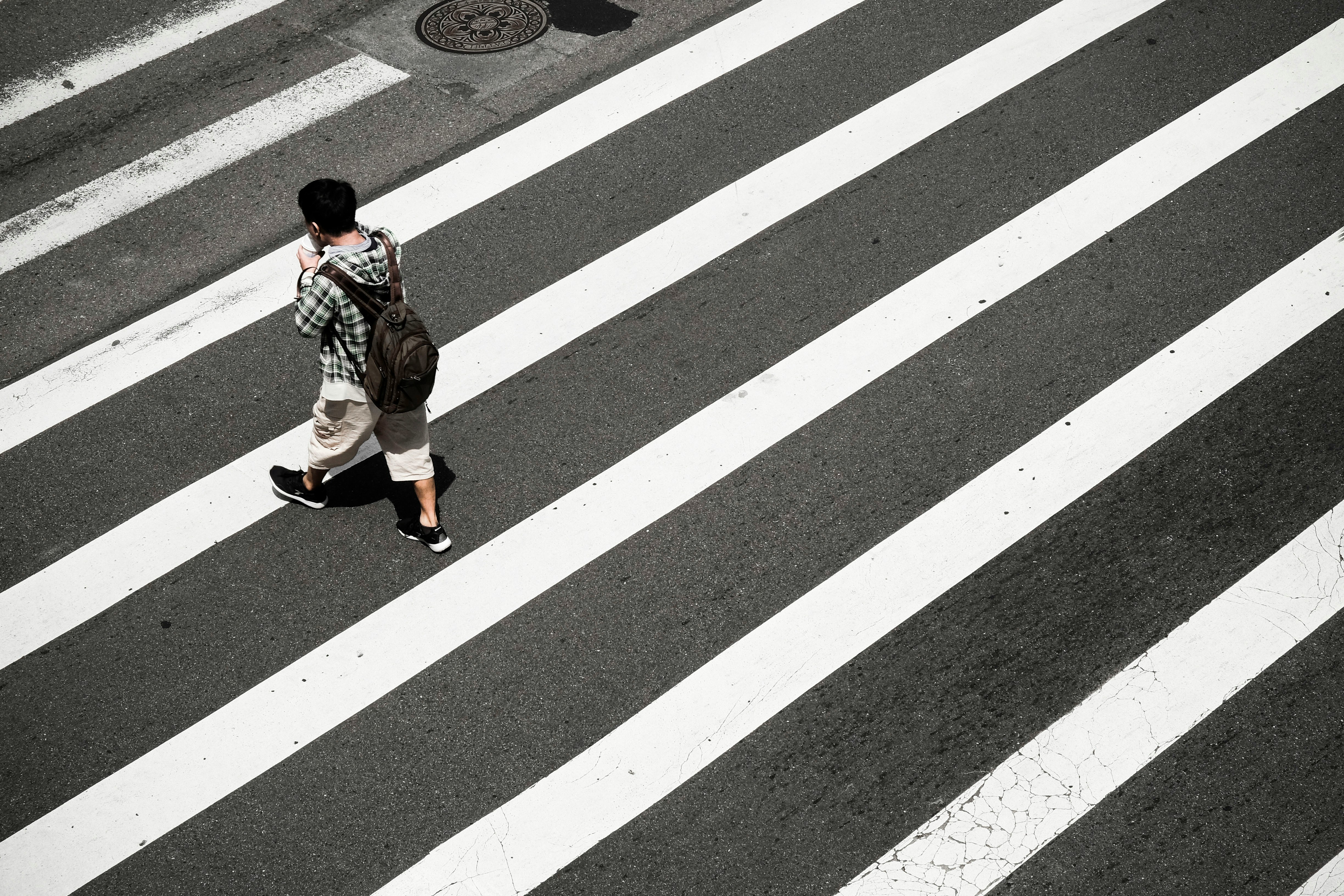
If you walk in Newark, you already know the feeling. You wait at a corner, the signal changes, and a turning car rolls toward you like you are not even there. Newark is one of the busiest, most walkable cities in New Jersey, but that same energy makes it risky. Understanding why Newark pedestrian accidents happen so often can help you protect yourself and know what to do if a driver puts you in harm's way.
October is Pedestrian Safety Month, which makes this a fitting time to look honestly at the dangers people on foot face here every day. Heavy traffic, crowded sidewalks, and drivers in a hurry combine to make certain streets and intersections genuinely hazardous. The problem is not that people walk in Newark. It is that too many drivers fail to share the road safely.
If a careless driver hit you while you were walking, you deserve straight answers about your rights. Call Camili & Capo, PA at (973) 834-8457 or reach out through our online contact form, and we can help you understand what happened and what your options are.
Newark Pedestrian Accidents: What Makes This City So Hard On People On Foot?
Newark packs a lot of activity into a small footprint. As one of the densest cities in New Jersey, it draws commuters, students, workers, and visitors who all move through the same tight streets. That constant mix of heavy vehicle traffic and heavy foot traffic sets the stage for conflict.
The city's role as a regional hub adds to the pressure. Thousands of people pass through Newark Penn Station each day, and major roads carry drivers who are often just trying to get through downtown as fast as possible. When drivers treat city streets like highways, pedestrians pay the price.
Aging infrastructure plays a part as well. Some intersections lack clear crossing signals, and some streets were built for cars rather than people. Faded crosswalk paint, broken walk signals, and blocked sightlines force pedestrians to make split-second decisions that should never fall on them. These conditions do not excuse careless driving, but they help explain why walking in Newark carries real risk.
Weather and lighting raise the stakes further as the year goes on. Shorter fall and winter days mean many people walk home in the dark, when drivers struggle to see pedestrians in time. A person crossing legally can still be nearly invisible to a driver who is not paying close attention.
High-Risk Streets And Intersections: Where Do Newark Pedestrian Crashes Happen Most?
Not every part of Newark is equally dangerous. Crashes tend to cluster where traffic is heaviest and where drivers and pedestrians compete for the same space. Knowing these hot spots can help you stay alert.
Areas that tend to see frequent pedestrian crashes include:
- Broad and Market: the Four Corners downtown draws dense crowds and traffic
- McCarter Highway: Route 21 carries fast-moving vehicles along the city's edge
- The Ironbound: narrow, busy streets fill with shoppers and diners
- Springfield Avenue: a wide corridor mixes commercial traffic and foot traffic
- Transit hubs: areas near Newark Penn Station stay crowded morning and night
These locations are not the only dangerous ones, and a crash can happen on any block. What these spots share is a heavy overlap of cars and people, often with drivers moving faster than conditions allow. Staying aware in these areas is one small way to reduce your risk.
Driver Behavior In A Busy City: Which Careless Choices Put Newark Pedestrians At Risk?
Most pedestrian crashes come down to driver behavior. Even the busiest intersection is manageable when drivers stay patient and alert. Trouble starts when they do not.
Careless driving that endangers pedestrians includes:
- Failing to yield: a driver turns through a crosswalk without stopping
- Distracted driving: a driver checks a phone instead of watching the road
- Speeding: a driver moves too fast to stop for someone on foot
- Running lights: a driver races through a signal as it changes
- Impaired driving: a driver's judgment and reflexes are dulled by alcohol
Any of these choices can cause a life-changing injury. When a driver's carelessness harms someone who was walking lawfully, New Jersey law lets that injured person seek accountability. Identifying exactly what the driver did wrong is often where a strong claim begins.
Similar Post: What Should You Do If the Insurance Company Offers a Settlement Before Medical Treatment Is Completed?
Pedestrian Right-Of-Way In New Jersey: When Does A Driver Have To Yield?
New Jersey law gives pedestrians strong protection, and many drivers either forget it or ignore it. At a marked crosswalk, drivers must stop and stay stopped for a pedestrian who is crossing. This is not a suggestion, and a driver who fails to yield can be held responsible for a resulting crash.
Pedestrians have duties too. When a crosswalk or signal is available, you are expected to use it and to follow the walk and do-not-walk indicators. Crossing away from a crosswalk does not automatically end your ability to recover, but it can affect how fault is shared under New Jersey's comparative negligence rule.
Because fault can be divided, the details of your crash matter a great deal. Where you were walking, what the signals showed, and how the driver behaved all shape the outcome. A careful review of these facts helps clarify who was truly responsible.
Steps To Take After A Newark Pedestrian Accident: How Do You Protect Your Health And Your Claim?
Being hit by a car is disorienting, and it is hard to think clearly in the moment. Having a plan in mind can help you protect both your recovery and your rights if you are ever in that situation.
After a pedestrian crash, try to take these steps:
- Get medical care: accept treatment at the scene and follow up promptly
- Call the police: make sure an official report documents the crash
- Gather information: collect the driver's details and any witness contacts
- Photograph everything: capture the crosswalk, signals, and vehicle position
- Talk to a pedestrian accident lawyer: get advice before dealing with any insurance company
Your health comes first, so never skip medical care to handle paperwork. Some serious injuries do not show symptoms right away, which is another reason to see a doctor quickly. Once you are safe, these steps help preserve the facts a lawyer needs to evaluate your claim.
Similar Post: The Injury Didn’t Seem Serious at First: Why Delayed Symptoms Matter Under New Jersey Law
Pedestrian Accident Help Across Newark And North Jersey: Where Does Camili & Capo, PA Serve?
Camili & Capo, PA helps injured pedestrians throughout Newark and the surrounding region. Whether your crash happened downtown near the Prudential Center, in the Ironbound, or in a quiet neighborhood in the University Heights area, the same New Jersey rules protect your right to seek accountability. We also serve clients across Essex County and beyond.
Our reach extends past Newark as well. Injured pedestrians near our New Brunswick and Totowa locations turn to us with the same questions and concerns. Wherever you were hurt in New Jersey, understanding your rights is the first step toward moving forward.
This Pedestrian Safety Month, a short conversation can help you make sense of a frightening experience. You do not have to carry the weight of a crash and its aftermath by yourself.
Frequently Asked Questions About Newark Pedestrian Accidents
Why are Newark's streets so dangerous for pedestrians?
Newark combines dense foot traffic, heavy vehicle traffic, and busy transit hubs in a small area. When drivers speed, get distracted, or fail to yield, that mix leads to frequent and serious pedestrian crashes.
Who is at fault if a car hits me in a Newark crosswalk?
A driver who fails to yield to a pedestrian in a marked crosswalk can be held responsible. New Jersey allows shared fault, so the details of where and how you were crossing matter to your claim.
What if I was not in a crosswalk when I was hit?
You may still be able to recover. New Jersey's comparative negligence rule allows recovery even when fault is shared, though your compensation may be reduced. A personal injury lawyer can review how the rule applies to you.
How soon should I contact a lawyer after a pedestrian accident?
As soon as you are able. Early action helps preserve evidence, protects you from insurance company tactics, and ensures you do not miss important deadlines for your claim.
Talk To Camili & Capo, PA About Your Newark Pedestrian Accident
Getting hit by a car while walking can change your life in an instant, leaving you with painful injuries and a stack of unanswered questions. You should be able to focus on healing while someone else handles the legal side. Our dedicated team is ready to listen, investigate what happened, and help you understand your rights under New Jersey law.
This Pedestrian Safety Month, take the step that protects your future. If a careless driver hit you on Newark's streets, call Camili & Capo, PA today at (973) 834-8457 or reach out through our online contact form to schedule a consultation. We serve injured pedestrians in Newark, New Brunswick, Totowa, and communities across New Jersey, and we are ready to help whenever you are.
Disclaimer: This blog is intended for informational purposes only and does not establish an attorney-client relationship. It should not be considered as legal advice. For personalized legal assistance, please consult our team directly.